


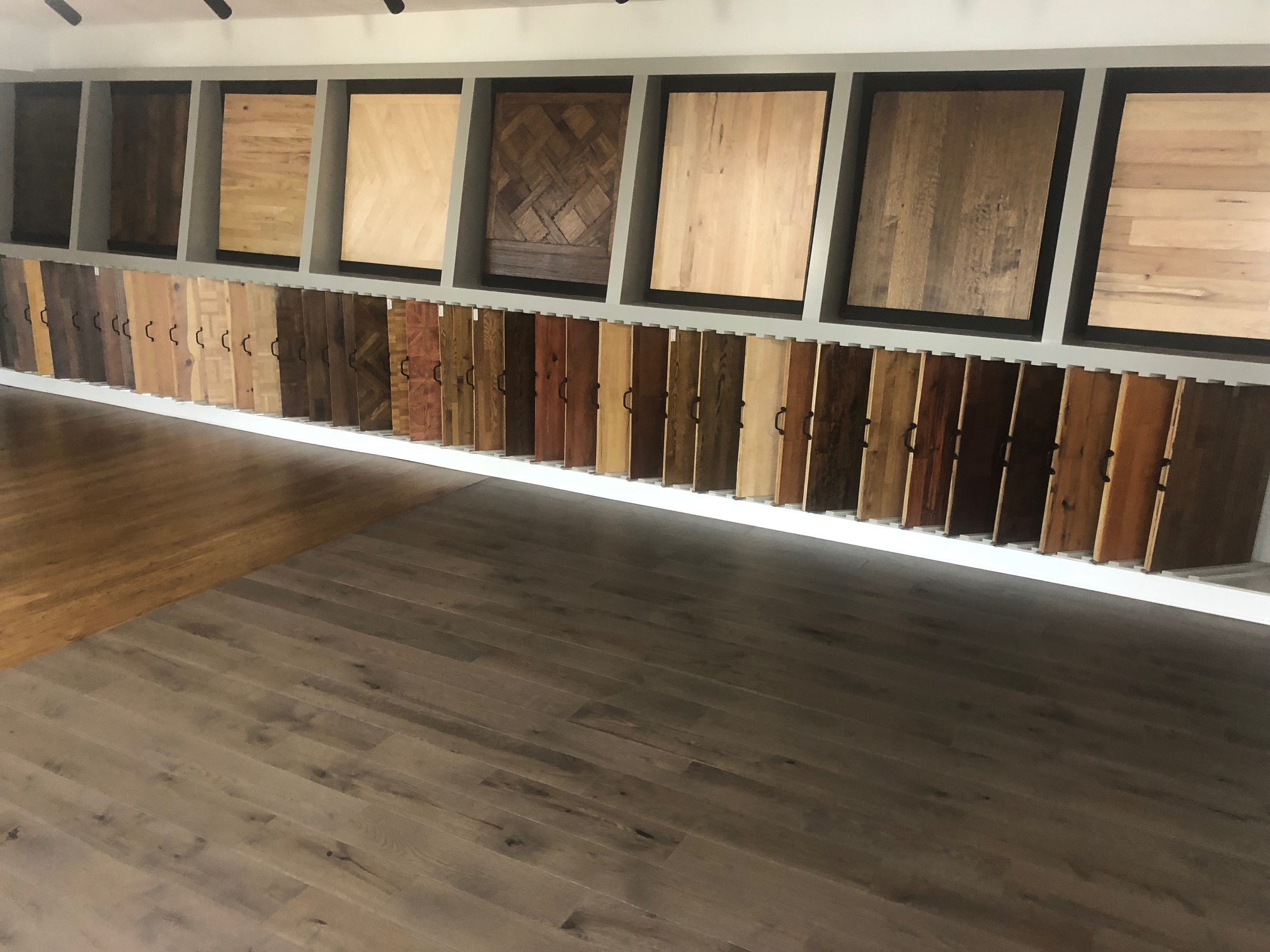
Selecting the right species of wood for your home in Yorktown, VA, is a decision that goes far beyond aesthetics. While everyone loves the look of certain woods in a showroom or on Pinterest, the reality of the Virginia climate—with its humid summers and dry, cold winters—plays a massive role in how that wood will perform over time. Wood is a "living" material; it breathes, expands, and contracts. Choosing a species that is naturally suited for our region will ensure your floors stay beautiful and gap-free for a lifetime. At DOM Wood Floors, we use our local expertise to guide you through the Janka scale, grain patterns, and stability ratings.
The Janka Scale: Measuring Durability
One of the first things we discuss with our clients is the Janka Hardness Scale. This is a standardized test that measures the resistance of a wood species to denting and wear. For a busy Yorktown household with kids, pets, and frequent guests, hardness is a top priority.
Hickory (1820): One of the hardest domestic woods available. It’s nearly bulletproof, making it ideal for kitchens and mudrooms.
Hard Maple (1450): Known for its light color and smooth grain. It’s very durable but can be tricky to stain, so it’s often left in a natural finish.
White Oak (1360): The gold standard for many flooring professionals. It offers a perfect balance of hardness and stability.
Black Walnut (1010): While stunningly beautiful and rich in color, Walnut is softer. It’s best suited for bedrooms or formal living areas where people aren't wearing shoes or dragging heavy furniture.
Stability: The Secret to a Gap-Free Floor
Hardness tells you how well the wood resists scratches, but "stability" tells you how much the wood will move when the humidity changes. In Yorktown, our summers can reach 90% humidity, while our heated homes in the winter can drop to 20% humidity. This shift causes wood to swell and shrink.
White Oak is exceptionally stable because of its unique cellular structure. Historically used in shipbuilding (including the famous USS Constitution), its "tyloses" plug the vascular tubes of the wood, making it resistant to moisture penetration. This is why White Oak is the most recommended species for the Tidewater region. Red Oak is also a great choice, though it is slightly more porous and reactive to moisture than its white counterpart.
Engineered vs. Solid: Which is Right for Yorktown?
For many homeowners, the term "engineered" sounds like "fake," but that couldn't be further from the truth. High-quality engineered hardwood is real wood. It consists of a thick "wear layer" of your chosen species (like Oak or Walnut) bonded to a core of cross-layered plywood.
Why does this matter for Virginia? Because the layers run in opposite directions, they counteract the wood's natural urge to expand. This makes engineered hardwood the superior choice for basements, homes with concrete slab foundations, or properties right on the water where humidity is constant. Solid hardwood, while iconic, is best reserved for above-ground levels with plywood subfloors and strictly controlled climate systems. We dive deeper into our philosophy on material quality and local sourcing on our About Us page.
Choosing the Right Aesthetic for Your Space
Once you've settled on a species that fits your lifestyle and climate, it’s time to talk about the "look."
Red Oak: Features strong, visible grain patterns with warm, reddish-pink undertones. It’s classic and hides small scratches and dust very well.
White Oak: Has a more linear, modern grain and a neutral "wheat" color. It takes grey and white-wash stains beautifully because it lacks the pink undertones of Red Oak.
Hickory: Offers the most dramatic color variation. Within a single box, you might find planks that range from creamy white to deep cocoa brown. It’s the ultimate choice for a rustic or "modern farmhouse" look.
Cherry: A softer wood that is famous for its "patina." It starts out a light cinnamon color and darkens significantly into a rich, deep red as it is exposed to sunlight.
The Role of Grain and Cut
The way the wood is sawn also affects its stability and appearance. Most flooring is "plain sawn," which shows the classic "cathedral" arches in the grain. However, for those looking for ultimate stability and a sleek, vertical grain, "Rift and Quartered" wood is a premium option. This cutting technique makes the wood move even less with humidity changes, making it the highest-performance option for Yorktown homes.
Our expertise in these technical details is what sets us apart. We don't just sell you a box of wood; we provide a tailored solution for your specific home environment. You can learn more about our team’s background and our dedication to the Yorktown community by visiting our About Us page.
Final Thoughts on Species Selection
Selecting your flooring species is a marriage of science and art. You need a wood that can handle the humidity of the Chesapeake Bay while reflecting your personal style. By understanding the Janka scale and stability ratings, you can choose a floor that won't just look good today, but will remain structurally sound for decades.
Ready to see these species in person and feel the difference for yourself? Our experts are standing by to help you navigate the world of hardwoods. Contact DOM Wood Floors today to schedule a consultation and find the perfect wood species for your Virginia home.


